

When is Vasant Panchami?
Vasant Panchami, also known as Saraswati Puja, Shree Panchami, or the Basant Festival of Kites is a Sikh and Hindu festival held on the fifth day of the traditional Indian calendar month of Magha (usually early February).
It is a public holiday in the Haryana, Odisha, Tripura and West Bengal regions of India.
The festival marks the end of winter and the beginning of spring - Vasant Panchami means the fifth day ('Panchami') of Spring ('Vasant'). It takes place 40 days before Holi and marks the start of preparations for that festival.
Traditions of Vasant Panchami
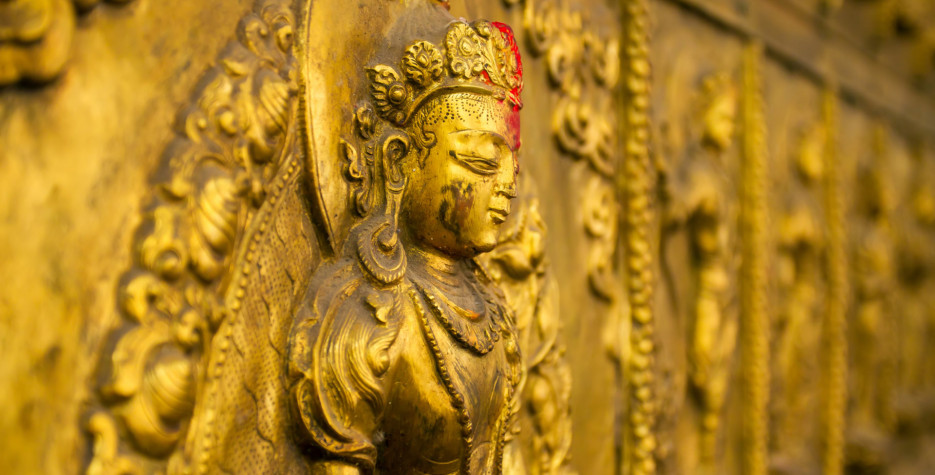
On this day Hindus worship Saraswati Devi, the goddess of wisdom, knowledge, music, art, and culture. Legend has it that Lord Brahma had created the earth and humans, but felt it was all a bit too quiet, so on this day, he created Saraswati by sprinkling some water in the air. As she came from water, she is also called the water deity. Saraswati then filled the world with beautiful music and blessed the world with her voice.
Saraswati has four hands which symbolize ego, intellect, alertness and the mind. She is often pictured seated on a lotus or a peacock, wearing a white dress.
A popular legend associated with Vasant Panchami is a story about a poet called Kalidasa. Kalidasa had somehow ended up marrying a beautiful princess, who kicked him out when she realised he was foolish.
In despair, Kalidasa was planning to kill himself when Saraswati emerged from the river and told him to bathe in the waters. When he did, the water gave him wisdom and led to him writing poetry.
The colour yellow is strongly associated with Vasant Panchami, representing the fields of mustard which a common sight in the Punjab and Haryana areas at this time of year. People wear bright yellow clothes and cook colourful food to mark the beginning of spring, with many of the dishes cooked being yellow, such as "meeth chawal", sweetened rice, flavoured with saffron.
Like Markar Sankranti, Kite flying is a popular custom associated with this festival, particularly in Punjab and Haryana. Flying kites on this day signifies freedom and enjoyment.