

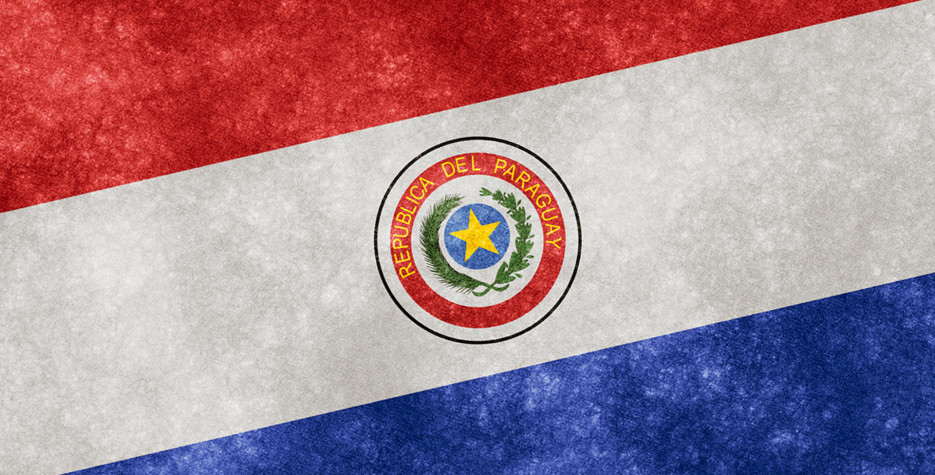
From 2026, a major addition to the calendar appears in June with the new holiday on June 20th, marking the adoption of Paraguay’s current Constitution in 1992. The date recognises the importance of constitutional order and democratic principles.
The Constitution of Paraguay, adopted in 1992, is the country's sixth constitution since its independence in 1811. It establishes a representative, participatory democracy and outlines the separation of powers among the executive, legislative, and judicial branches, along with a system of checks and balances.
Overview of the Constitution of Paraguay
The Republic of Paraguay is governed by the Constitution of 1992, which is the sixth constitution since the country gained independence from Spain in 1811. This constitution marked a significant shift towards democracy and established a framework for government that includes checks and balances.
Key Features of the 1992 Constitution
Structure of Government
Branches of Government: The constitution divides power among three branches: executive, legislative, and judicial.
Legislative Power: Congress is bicameral, consisting of a Senate and a Chamber of Deputies.
Executive Power: The President is elected for a term of four years, with a limit of one consecutive term.
Rights and Guarantees
The constitution outlines fundamental rights and duties for citizens, ensuring protections for civil liberties.
It includes provisions for the impeachment of the president and state ministers, a first for Paraguay.
Historical Context
Previous Constitutions
Constitution of 1967: This constitution was authoritarian, concentrating power in the presidency.
Constitution of 1940: Established during a political crisis, it also favored strong executive powers.
Constitution of 1870: Introduced principles of popular sovereignty and a bicameral legislature but still allowed significant presidential control.
The 1992 Constitution was a response to decades of authoritarian rule, aiming to create a more democratic and participatory government. It has been amended, with the most notable changes occurring in 2011.